Account ready
Use the correct Deriv login before starting the TradingView Deriv setup.
 Open official Deriv
Deriv TradingView overview
Deriv tradingview is for traders who want the analysis screen and execution route closer together. Link the account, work on TradingView, and send orders through Deriv without rebuilding the same setup in another tab.
Deriv TradingView overview. Connections and account actions remain on deriv.com. Trading is risky.
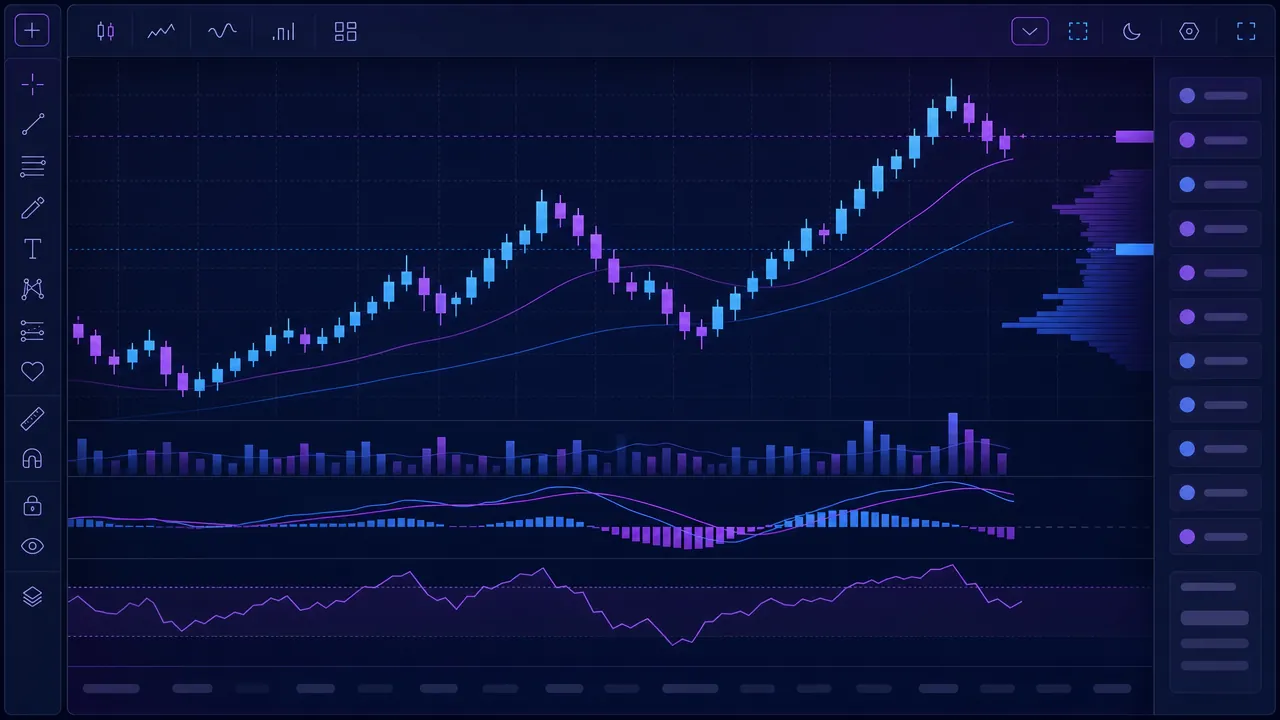
Overview
Deriv TradingView connects chart analysis with broker execution. Instead of studying a chart in one workspace and opening an order somewhere else, you choose Deriv from the broker connection flow and work from the same TradingView screen.
TradingView supplies the interface, while deriv.com keeps the account, pricing, execution and funding layer. That is the core deriv implementation: two systems connected by authorisation, not by duplicated balances.
For users searching tradingview deriv, the benefit is a shorter route from setup to order. The chart stays familiar, and the account remains on Deriv.
Open official Deriv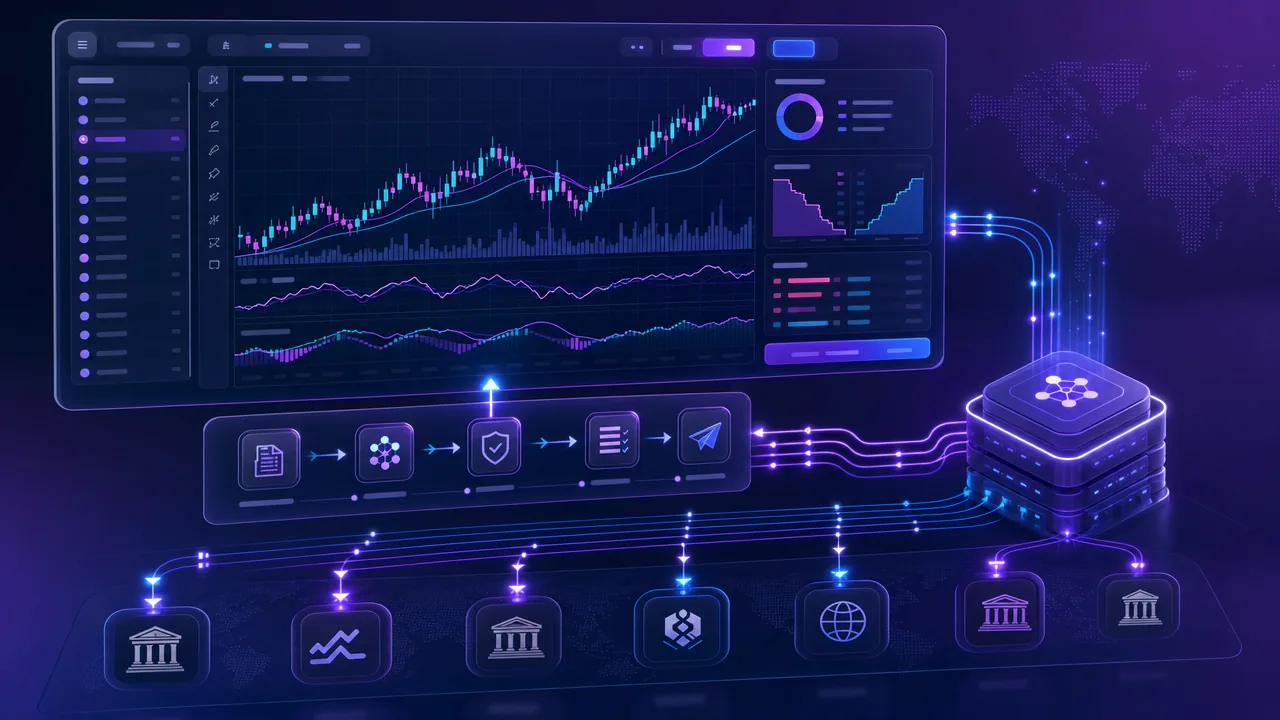
Setup
Prepare both accounts first: one on deriv.com and one on TradingView. Then open the connection path from the Deriv side, approve the broker authorisation and return to the chart workspace to continue.
Use the correct Deriv login before starting the TradingView Deriv setup.
The authorisation links the account without asking TradingView to store your password.
Choose the instrument and continue with the order ticket from the chart.
This is also where users looking for deriv implementation on tradingview or tradingview implementation for deriv should begin.
Open official Deriv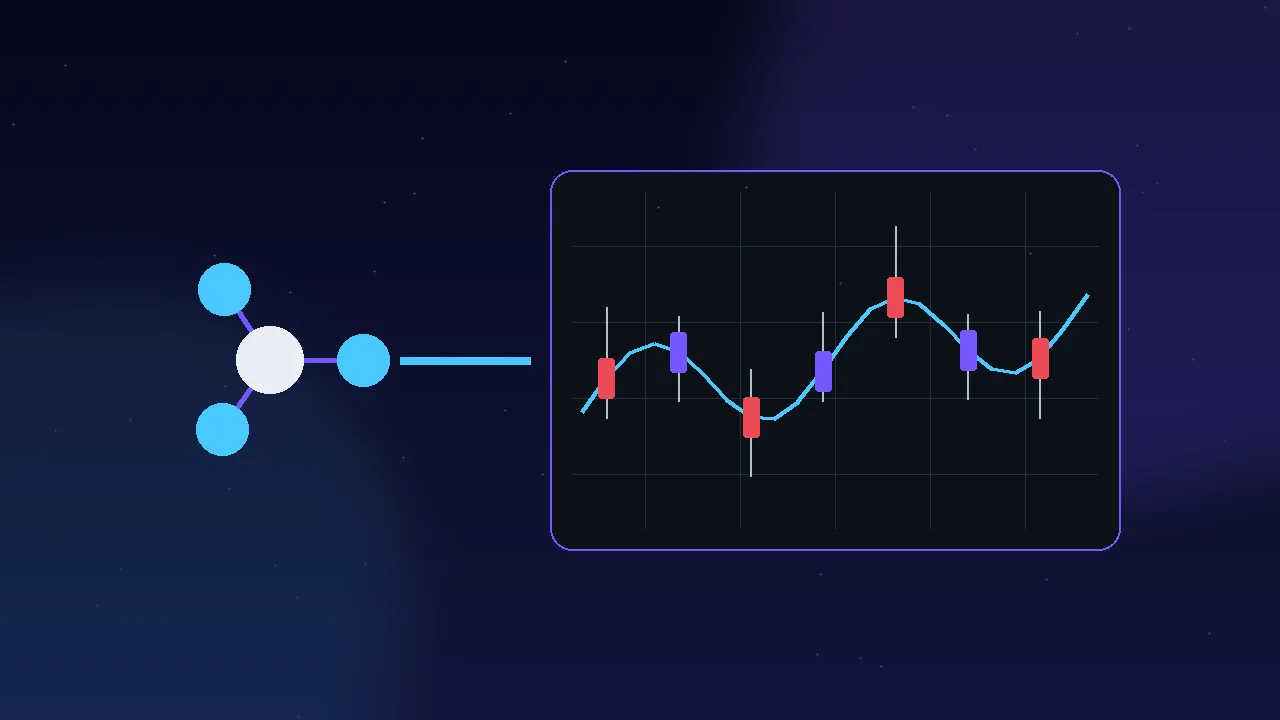
Markets
The Deriv view inside TradingView can cover forex, commodities, stock indices, cryptocurrencies and eligible synthetic products. Availability still depends on your residence and the Deriv entity serving the account.
For trading view deriv users, the important change is not only market access. It is that chart, alert and order ticket live in a single workspace.
Trading deriv from a connected chart should still follow the same risk checks you would use inside Deriv itself.
Open official Deriv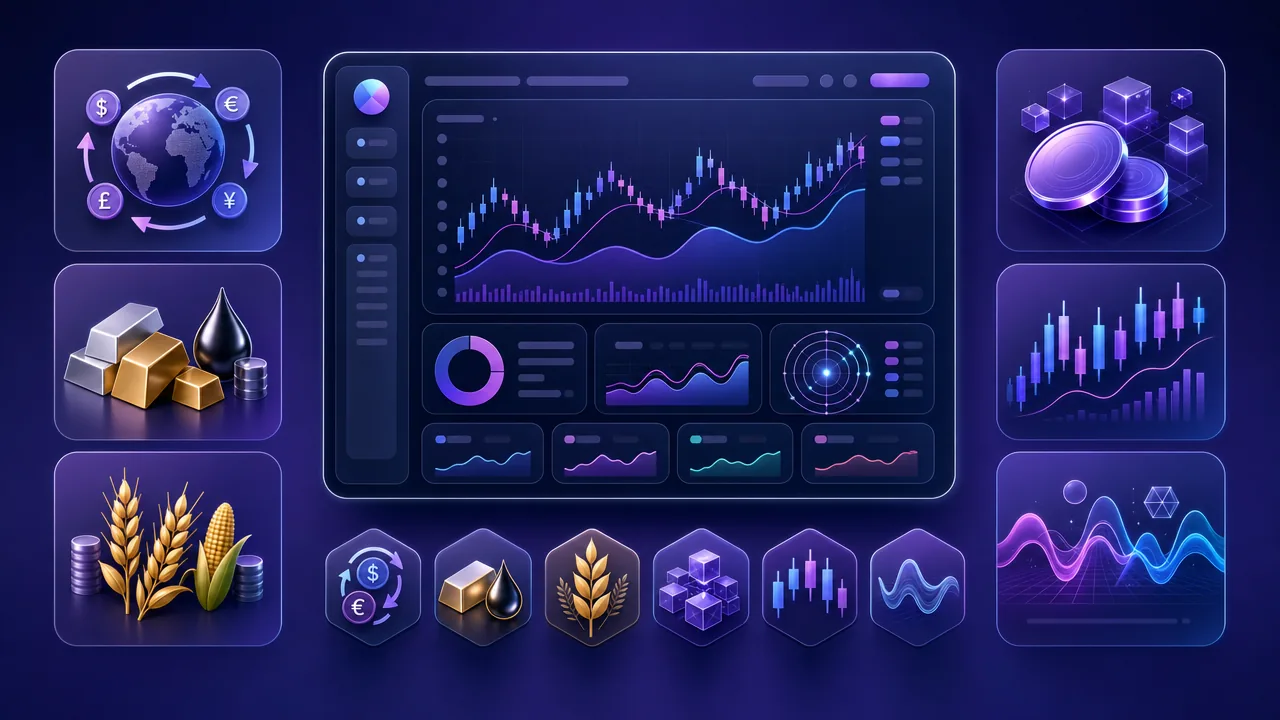
Derived
Derived Indices are a distinctive part of the Deriv TradingView offer where eligible. They are synthetic markets designed to operate independently from standard exchange sessions.
Access is not universal. Country, entity and account type still decide whether a product is shown. The integration does not bypass regional restrictions.
Use demo first if you have not traded these products before, because the behaviour can differ from ordinary forex or stock-index markets.
Open official Deriv
Login
Deriv TradingView log in is an authorisation step, not a shared password form. You complete Deriv login on Deriv, approve the connection, and TradingView acts through that permission.
If access stops, re-authorise rather than opening a duplicate account. A failed deriv login trading view route is usually an expired permission, changed password or account mismatch.
One secure login sits behind the chart execution path. Revoking access belongs on the Deriv side because that is where the account and funds remain.

Implementation
Tradingview implementation deriv is easiest to understand in layers. The account layer belongs to Deriv, the visual chart layer belongs to TradingView, and the authorisation connects the two.
That is the practical tradingview deriv implementation: a broker connection, not a second trading account.
Open official Deriv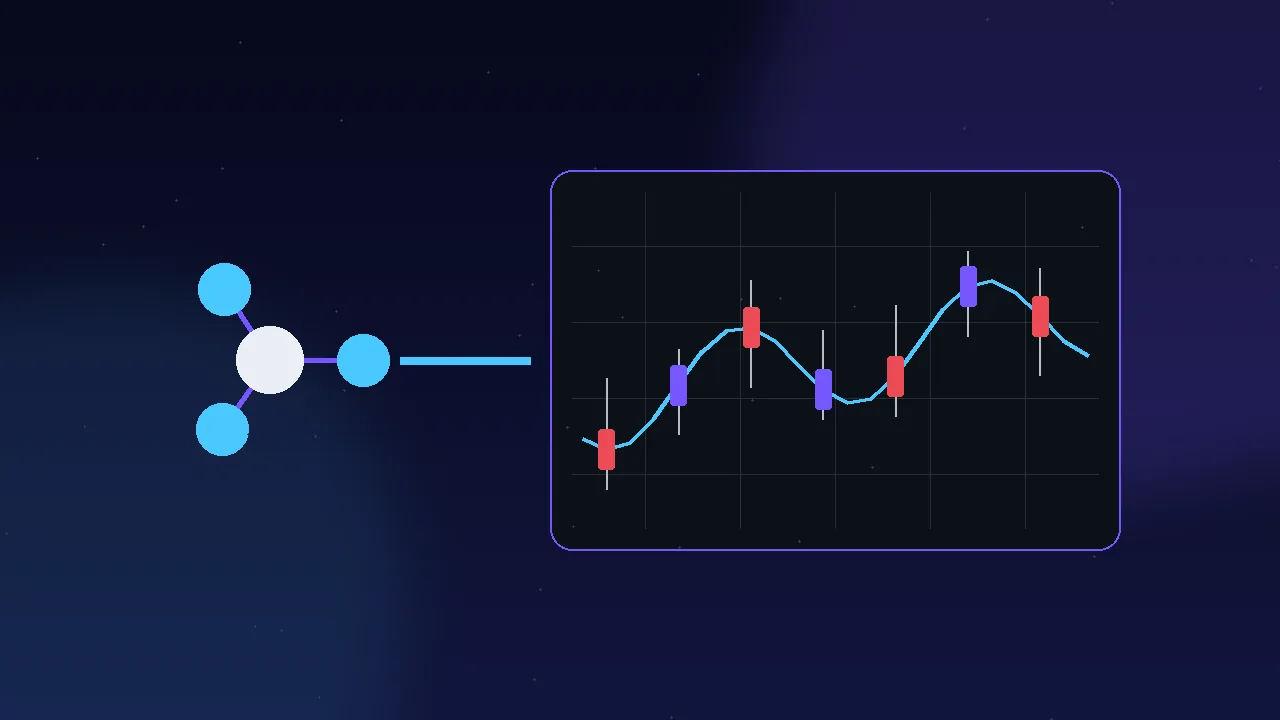
Chart
The tradingview deriv implementation chart lives on TradingView's side, with order routing handled by Deriv. It is different from the charting engine embedded inside Deriv platforms.
A tradingview deriv chart can show analysis, position controls and order context around the same workspace. Deriv executes; TradingView displays the chart environment.
This distinction matters because deriv tradingview implementation chart and in-platform Deriv charts solve different jobs.
Open official Deriv
Demo
Use demo before live trading. The derive trading view and deriv trading view flows are easier to learn when mistakes do not touch deposited funds.
Demo practice helps you test how chart orders, account selection and execution prompts behave. It is also the safest way to check whether the TradingView interface fits your trading routine.
Open official DerivLimits
Eligibility is controlled by residence, account entity and product permissions. A visible connection button does not guarantee that every market or instrument will be available.
TradingView plan limits are separate. Paid chart features on TradingView do not become Deriv fees, and Deriv cannot remove TradingView subscription limits.
The integration adds a convenient execution path, but it does not change leverage, margin, spreads or regulatory protections.
It links a Deriv account to the TradingView workspace, so analysis happens on the chart and order execution is routed through Deriv.
Yes. You need access on both sides: a Deriv account for broker execution and a TradingView account for the chart interface.
Begin from the Deriv account area, find the TradingView connection, then approve the broker authorisation in the flow provided.
The connection itself is not presented as a paid Deriv add-on. TradingView may still limit premium platform features by plan.
Yes. Demo is the safer first step because it lets you learn account selection and chart order flow before live trading.
The integration works through the Deriv cTrader route where the connection is available.
No. Country, entity and product rules decide whether the connection and instruments are visible.
No. Funding remains with Deriv Wallet and account management stays on the Deriv side.
Risk warning. Trading may lead to losing deposited funds. This landing page explains Deriv TradingView and does not process registration, account linking, credentials or payments. Deriv serves clients through different regulated entities; products, protections and integrations depend on residence and account entity. Derived Indices are restricted in some jurisdictions. Read the relevant terms before using a live account.